Altitude sickness can strike any traveller above 2,500 metres. Prevention is essential before departure.
Acetazolamide (Diamox)

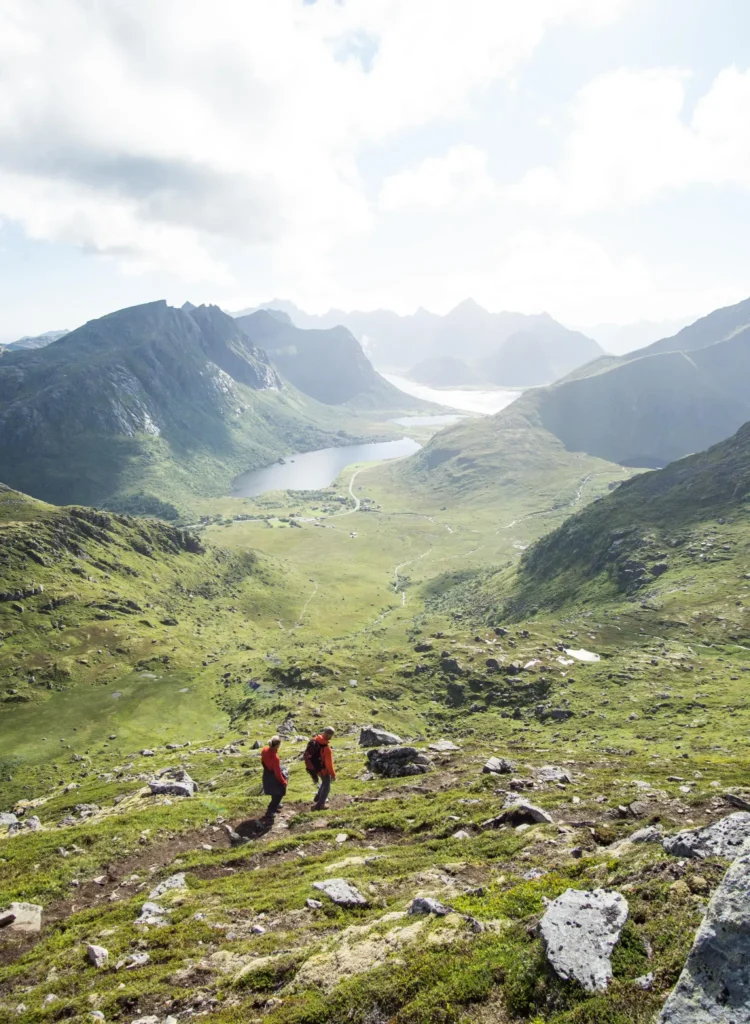
Effective altitude management combines pharmacological prevention with a sensible, personalised acclimatisation plan.
Diamox helps you acclimatise by boosting oxygen intake. It’s the gold standard for preventing altitude sickness. We’ll discuss its off-label use and dosage during your personalised pre-travel appointment
Always tell your pharmacist about all current medications, allergies, and medical conditions before your appointment.
Altitude sickness progresses from mild AMS to life-threatening HAPE and HACE, early recognition is critical.
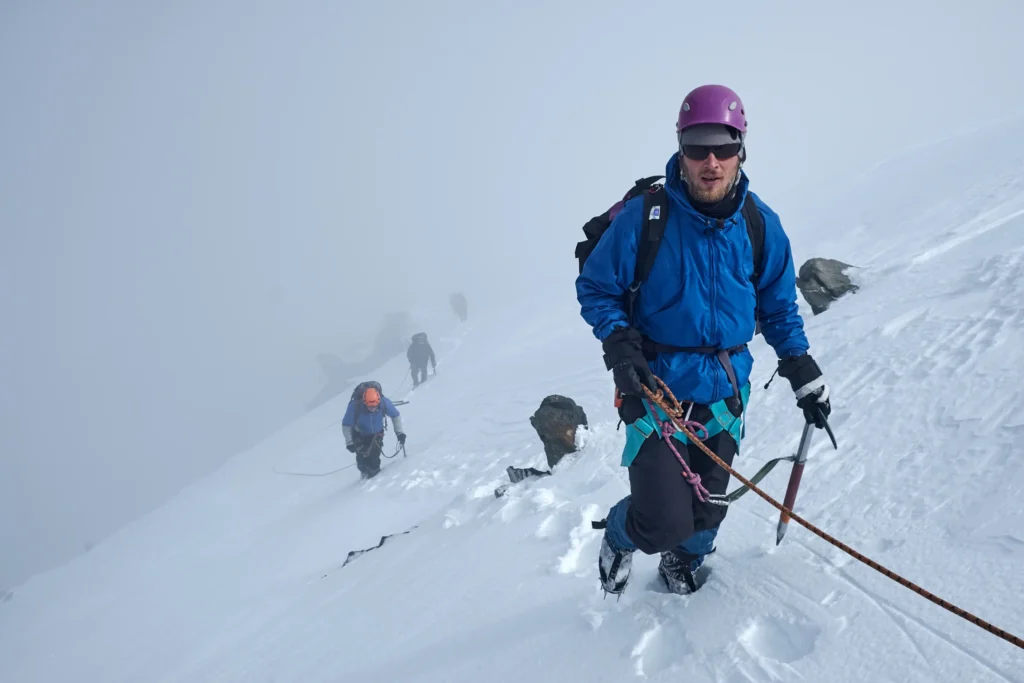

Typical altitude: 3,500m and above. At 3,500m+, HACE causes severe headaches, confusion, and loss of coordination. This is a fatal emergency requiring instant descent and evacuation. Never delay; seek professional help immediately without exception.
If symptoms exceed mild AMS, descend immediately. Do not wait for medication or morning light; descent is the only certain treatment for severe altitude sickness.
Fixed schedules prevent slowing down if symptoms develop
Previous AMS sufferers
Past AMS experience significantly raises the risk of recurrence during future climbs.
Air travellers to high-altitude areas
Flying to cities like Cusco or La Paz prevents gradual acclimatisation before arrival
Rapid ascents without rest days
The body requires 1–3 days to adjust to significant gains in altitude
Short Kilimanjaro routes
Ascents under 7 days significantly raise AMS risk due to steep climbs and weather-shortened schedules.
Strenuous activity immediately upon arrival
Exertion spikes oxygen demand before the body adapts to the altitude
Seniors and patients with chronic illnesses
Heart or lung issues decrease physical capacity at high elevations

Since qualifying as a pharmacist in 2006, Mandeep Sandhu has turned travel health into his life’s work. As an independent prescriber with expert NaTHNaC and Yellow Fever credentials, he focuses on giving you genuine peace of mind before you fly.
Mandeep is an avid traveler himself, so he knows that travel health isn’t a “one-size-fits-all” process. He rejects the generic checklist approach, preferring to sit down with you to discuss your unique plans. Whether you’re heading on a family holiday or a remote adventure, Mandeep provides the personal, professional care you deserve.
A fully GPhC-registered pharmacist.
Qualified to independently prescribe and provide travel medicines
Accredited Yellow Fever centre providing vaccinations and official ICVP documentation.
Specialist travel health education following national UK standards
Real experiences from patients who trusted our Medway travel clinic for their vaccinations and travel health advice.
EXCELLENT Based on 10 reviews
 Posted on Google
 Sunen Patel
Trustindex verifies that the original source of the review is Google.
I had a fantastic experience at Medway Travel Clinic while getting everything sorted for my trip to South America. The clinic is modern, clean, and well-run, which really helped put me at ease. Booking was simple, and there were plenty of appointment slots to choose from, even at short notice. I was especially impressed that they had all the necessary vaccines in stock, so I could get everything done in one visit. Mandeep was incredibly knowledgeable and took the time to explain each vaccine and what to expect, which made the whole process smooth and reassuring. Highly recommended for anyone planning overseas travel!Posted on Google T-Mobile T-MobileExcellent staff and service.Posted on Google
 Usman AliHighly recommended for travel vaccinesPosted on Google
 Rachael CliftonI cannot fault this service. The whole pharmacy team are very helpful and approachable. Mandeep, the pharmacist dealt with my travel queries and vaccinations. I was very unsure as it was my first time going abroad but he talked me through everything and explained which vaccines I needed. The jabs didn't even hurt! He was amazing. A1 service. 100% recommend. Thank you.Posted on Google
 Sarfaraz RiazFirst class service. Would recommend to try these guys out! Amazing service. Thank you.Posted on Google
 BalrajMedway Travel Clinic made preparing for my trip so easy. The location is convenient, and I had no issues with parking – plenty of spaces available. I was able to book an appointment without any hassle, and there were lots of time slots to choose from. I went in for my yellow fever vaccination, and the pharmacist prescriber was incredibly knowledgeable and helpful, offering great advice tailored to my destination. I felt completely at ease and well looked after. Highly recommend for travel health needs!Posted on Google
 Kitty AtwalI visited Medway Travel Clinic for my rabies vaccine ahead of my trip to Thailand, and I couldn’t have asked for a better service. The clinic is in a really convenient location with easy parking, and booking an appointment was quick and hassle-free. The pharmacist prescriber was incredibly experienced and clearly very skilled at administering vaccines, the whole process was smooth and painless. They also took the time to explain everything in detail, which made me feel confident and well informed. I’d highly recommend Medway Travel Clinic to anyone preparing for travel.Posted on Google
 Madeleine MortimerCannot recommend Mandeep enough. He is knowledgeable, helpful, and put me at ease. I would definitely go to him in the future - his advice was in depth and his role as a pharmacist prescriber means he can offer more than other pharmacies.Posted on Google
 Leanne ParkinCame in yesterday for some travel vaccines. Mandeep the pharmacist was thorough and couldn’t have been more helpful. Would definitely recommend.Posted on Google
 Gary Marchant
Trustindex verifies that the original source of the review is Google.
There is one pharmacy here, some very odd opening hours and long lunch break, some parking spaces behind at £2:40 minimum for first hour, if no spaces "walk the gauntlet" through Chatham High Street to get there!!
Adults aged 18+ meeting PGD criteria are eligible. This includes those ascending above 2,500m with an AMS history, those above 2,800m on rapid itineraries, or anyone on a Kilimanjaro trek under 7 days. Your clinician confirms eligibility during appointment.
Start one day before ascending. You must also take a trial dose at home for one to two days before traveling to monitor for side effects.
Take it throughout your ascent and for at least two days after reaching your peak altitude. Do not stop earlier.
No. Acetazolamide is used “off-label” following NaTHNaC guidance. Your pharmacist will explain this legal status during your supply.
Yes. A trial dose at home for one to two days is a vital safety step to identify any reactions before you reach remote areas.
Yes. Provide your full medication list (especially aspirin, lithium, or methotrexate) so your clinician can check for interactions during your vaccination visit.